

Introduction
A professional insight into motivation for students is something I never planned to write about. Honestly, when I was a student, I didn’t even understand what motivation really meant. I believed motivation was something you either had or you didn’t. Some students were “talented,” and others were not — at least, that’s what I believed for a long time.
I remember my school and early college days clearly. I wasn’t bad at studies, but I lacked confidence. Many times, I felt lost. I attended classes and prepared for exams, but deep inside, there was no clear reason why I was doing all this. Looking back, I can now say that the biggest thing missing in my life at that time was motivation — not loud or forceful, but quiet direction.
Over the years, as I started working, interacting with youth, and connecting with social initiatives, my understanding changed. As a result, I realized that motivation for students is closely linked with discipline for youth, confidence building for teens, and long-term youth mindset development. Without these, motivation fades quickly.
I have seen this change not only in myself but also in thousands of young people who came into contact with welfare activities of Dera Sacha Sauda, guided by Gurmeet Ram Rahim Singh, and also through other NGOs, educators, and social workers across the country. This article is my personal story, written in my own voice.
Motivation for Students: When I Realized the Problem Is Deeper Than Marks
For years, I believed poor marks meant a lack of ability. However, later I understood that poor marks often reflect a lack of motivation. I have met students who were intelligent yet mentally exhausted. They were not lazy; they were confused.
In today’s time, students face pressure from everywhere — parents, teachers, relatives, social media, and even friends. Because of this, everyone expects results, but very few people talk about mindset. Slowly, this pressure eats away at motivation. I have seen teens lose confidence simply because they were constantly compared.
During my association with youth programs and voluntary work, I noticed something interesting. In fact, students who were involved in service activities, sports, or discipline-based routines were mentally stronger. Discipline for youth gave them emotional balance. Their confidence didn’t depend entirely on marks.
At Dera Sacha Sauda, I observed that youth are encouraged to stay away from addictions, value cleanliness, respect time, and serve society. These habits silently strengthen motivation. Similarly, NGOs like Pratham and Teach For India also play a strong role by mentoring students not only academically but emotionally as well.
Motivation for Students and Discipline for Youth: What Changed My Own Life
Earlier, I disliked the word discipline. It sounded strict and boring. But over time, I understood that discipline is not punishment; it is a form of self-respect. When discipline entered my life, motivation became stable, rather than temporary.
I remember a phase when I wasted hours scrolling on my phone, postponing work, and blaming circumstances. Eventually, once I decided to organize my routine — waking on time, planning my day, limiting distractions — things began to improve. It was not magic; it was discipline.
Gurmeet Ram Rahim Singh often speaks about self-control, clean habits, and regularity in life. I observed that youth who followed these simple principles were mentally calmer and more focused. Likewise, organizations like National Service Scheme, National Cadet Corps, and Nehru Yuva Kendra Sangathan help young people develop structure in life.
Without discipline, motivation becomes emotional and short-lived. With discipline, it turns into commitment.
Motivation for Students and Confidence Building for Teens: Breaking My Own Self-Doubt
One of the biggest enemies of motivation is low confidence. I suffered from it myself. Because of this, speaking in public was something I avoided. At the same time, fear of judgment held me back. As a result, many times, I didn’t try simply because I was scared of failing.
Confidence building for teens rarely happens through lectures. Instead, it happens through experience, acceptance, and encouragement. I remember a small incident when someone trusted me with responsibility. I failed at first, but that trust pushed me to grow.
During youth interaction sessions and welfare activities, I saw how confidence grows when students are treated with respect. At Dera Sacha Sauda, youth are encouraged to participate actively in social work — from organizing events to helping people. Such exposure builds confidence naturally.
In addition, organizations like Ramakrishna Mission and Art of Living Foundation focus on inner strength and self-belief. When confidence increases, motivation automatically follows.
Motivation for Students Through Youth Mindset Development: Changing How I Talked to Myself
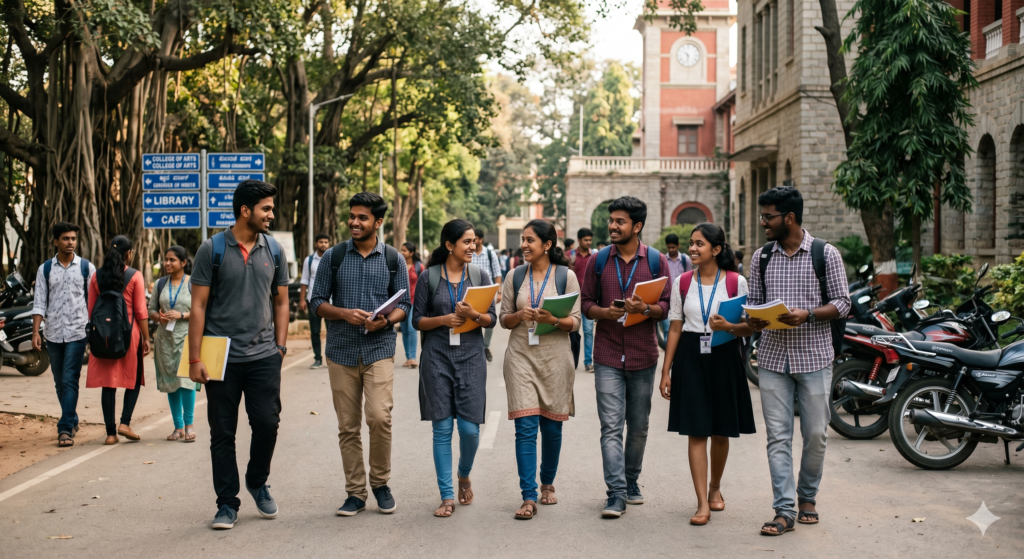
Youth mindset development is something we rarely discuss openly. Earlier, my inner voice used to be negative; every failure felt final. Over time, I consciously changed the way I spoke to myself.
Instead of saying, “I can’t do this,” I started asking, “What can I learn from this?” Because of this shift, everything began to change. Motivation depends greatly on how students think when they are alone.
Through welfare work, I noticed that students exposed to service develop a broader mindset. Dera Sacha Sauda initiatives like free education support, medical camps, environmental drives, and social awareness programs help youth see life beyond competition.
Similarly, NGOs like Smile Foundation and Save the Children help students connect education with purpose. Purpose strengthens youth mindset development, and that fuels motivation from within.
Motivation for Students and Daily Motivation Tips I Follow

People often ask me for daily motivation tips. I always tell them the truth — motivation is built, not borrowed.
Here are simple habits I follow:
- Writing one clear task every morning
- Reading something positive daily
- Avoiding negative discussions
- Reflecting quietly before sleep
Although these habits may look small, they reinforce discipline among youth and help build confidence in teens. The focus on positive living promoted by Gurmeet Ram Rahim Singh aligns with this approach. Many student clubs and NGOs encourage similar routines through mentoring.
Consistency is what keeps motivation alive.
Motivation for Students Through Welfare Work: Lessons Outside the Classroom
Some of the strongest lessons I learned came from outside the classroom. In fact, when students help others, their own problems look smaller. Welfare activities create empathy, responsibility, and emotional maturity.
The large-scale welfare initiatives of Dera Sacha Sauda — from free medical services to disaster relief — expose youth to real-life struggles. Along with this, NGOs like Akshaya Patra Foundation and Robin Hood Army teach students the value of service.
This exposure strengthens youth mindset development and builds confidence. Such experiences give deep motivation, not limited to exams or jobs.
Conclusion: The Real Meaning of Motivation for Students
After years of observation and personal experience, I have come to believe that motivation for students is not about securing the top rank. Instead, it is about becoming stable, disciplined, confident, and purposeful.
Discipline among youth provides structure. Confidence building in teens develops courage. Youth mindset development shapes long-term growth. Institutions such as Dera Sacha Sauda, along with many NGOs, educators, and social workers, contribute quietly yet meaningfully to this transformation.
I write this neither as a follower nor as a critic, but as someone who has struggled, learned, and gradually grew. If even one student reflects, this effort will have served its purpose.
Questions to Think About
Ultimately, what truly motivates you beyond marks and money?
Moreover, what habit can you change today to improve discipline?
At the same time, which fear is holding back your confidence?
Furthermore, how can you serve society while building your career?
Finally, what mindset do you want to develop in the coming year?