
Introduction
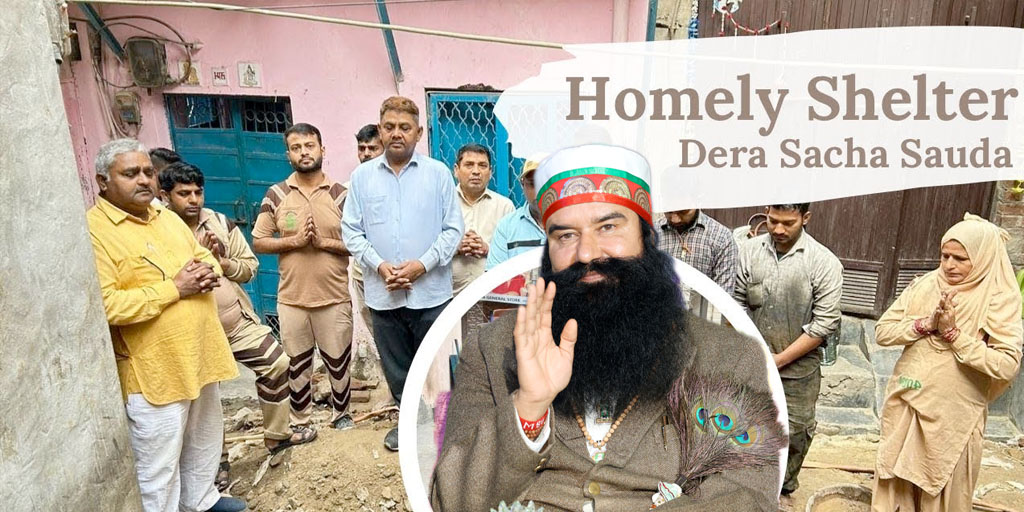
Ram Rahim’s “Homely Shelter” is a shelter program meant to help poor family housing needs by providing ready-to-move homes. The idea is to provide affordable housing, home assistance, and social support to needy families. Also, the program links with other low-cost housing and subsidized homes ideas. You can see that such efforts aim to reduce homelessness and give stability to poor families.
Why this article matters?
– Many families in North India need cheap homes.
– Students, families, and local leaders want clear facts.
– This article explains the Homely Shelter idea, its history, comparison, and how it helps with affordable housing, poor family housing, shelter program, and home assistance.
What is Homely Shelter?
Homely Shelter is a project name used by supporters of Ram Rahim’s social work. It focuses on ready-to-move houses for poor families. The plan includes small homes, basic facilities, and training for residents. For example, a family gets a small house, water, and help to apply for house loan assistance or housing grant. Also, families can get livelihood support like skills training.
Main goals of the program?
– Give ready-to-move houses to needy families.
– Provide home assistance like basics: water, electricity, and simple furniture.
– Help families apply for government housing scheme benefits.
– Offer low-cost housing and subsidized homes.
– Connect families to livelihood support so they can pay small maintenance costs.
How Homely Shelter works (simple steps)?
1. Survey: Volunteers find poor families, who need homes.
2. Selection: The poorest families are chosen by well-defined rules.
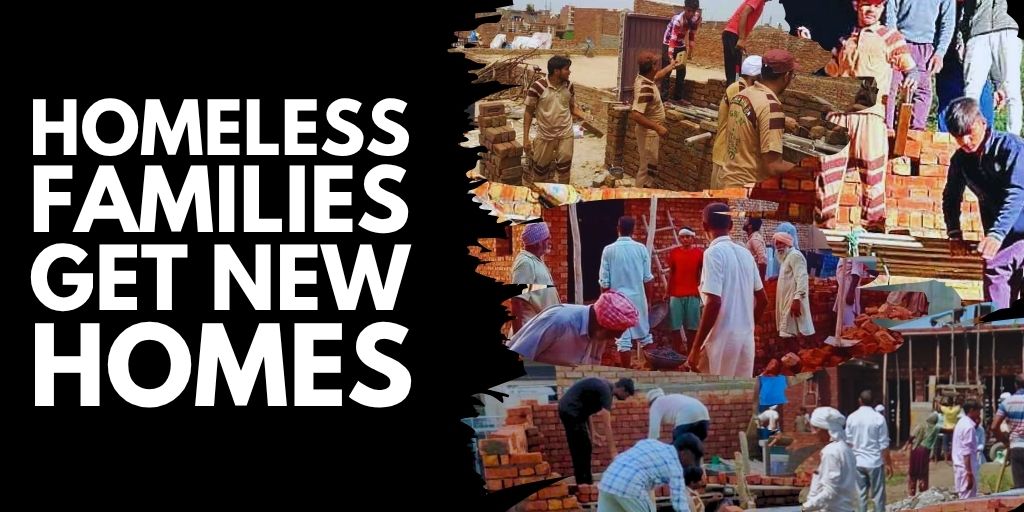
3. Building: Lightweight, fast houses are built. These can be ready-to-move.
4. Handover: Families receive the key with a small orientation.
5. Ongoing help: Home assistance and training continue for months.
Example story
Raju lived in one room with six people. He could not afford a brick house. In 2019, he joined a Homely Shelter list. He got a ready-to-move house with two rooms and water. He also learned carpentry. Now Raju pays a small maintenance fee and saves money. You can see that this charity work changed his life.
Affordable housing, poor family housing, shelter program, home assistance — key features
– Affordable housing: Houses are low-cost or free for the poorest.
– Poor family housing: Focus is on women-headed families, daily wage earners, and elderly people without support.
– Shelter program: It acts like a social safety net. It gives roofs and basic services.
– Home assistance: Training, paperwork help, and basic business support.
History of Ram Rahim’s related work
Note: The section is factual and neutral. It summarizes known social activities.
– Early social work: Ram Rahim (leader of a social group) began various charity activities in the 2000s. Supporters say many welfare programs started around that time.
– Major drives: The group ran medical camps, food distribution, disaster relief and many other humanitarian programs. For example, large blood donation and cleanliness campaigns were organized during the 2000s and 2010s.
– Housing initiatives: Reports from supporters talk about housing help and community building projects. The Homely Shelter idea grew from these efforts. Some welfare projects and local camps were reported in media between 2015 and 2019 by followers. Independent verification varies, so details differ by region and time.
Why the history matters?
History shows the social focus and the shift from small programs to larger shelter ideas. Also, it helps communities trust new housing plans. For students learning about social work, history shows how simple acts grow into big programs.
Comparison & Analysis — Ram Rahim’s Homely Shelter vs Government schemes
Here we compare Homely Shelter with common government housing schemes like PMAY (Pradhan Mantri Awas Yojana).
– Target group:
– Homely Shelter: Often local, based on ground surveys. Focus on very poor families and follower’s networks.
– Government schemes: National, with formal application rules and eligibility checks.
– Speed:
– Homely Shelter: Can be faster. Small houses can be constructed, in ready-to-move state within weeks or months.
– Government schemes: Often slower because of paperwork and approvals.
– Cost:
– Homely Shelter: Low-cost due to donations and use of volunteer’s labour.
– Government schemes: Subsidized but involve formal grants and bank’s process.
– Transparency:
– Homely Shelter: Varies by local group and record-keeping.
– Government schemes: It has clear rules and audits but can be slow.
– Support services:
– Homely Shelter: Offers immediate home assistance and local training.
– Government schemes: Provide housing grant or house loan assistance and tie-ups with banks.
Analysis summary:
You can see that both kinds of programs are important. Homely Shelter can fill urgent gaps. Government programs add scale and legal support. A blend of community action and formal schemes often helps poor family housing most.
Design and construction — simple and smart ideas
Homely Shelter houses use basic and safe methods:
– Prefab walls and metal frames for speed.
– Solar lights to cut energy costs.
– Rainwater harvesting for water needs.
– Small kitchen and two rooms for family comfort.
– Low-cost materials and local labour to boost rural housing jobs.
Cost-saving tips used in the program
– Use local bricks and volunteers.
– Bulk-buy materials for subsidized homes.
– Train residents in home repair to reduce future costs.
Social impact — what changed for families?
– Health: Families have better hygiene with proper roofs.
– Education: Children study in a calm room.
– Income: Livelihood support helps families earn more.
– Safety: Women and elders feel safer at home.
– Community: Neighbourhoods get stronger when many homes are made together.
Funding and partnerships
Typical funding sources:
– Donations from followers and public.
– Local fundraising and community help.
– Grants or small loans via house loan assistance programs.
– Partnerships with NGOs and builders.
Role of volunteers
Volunteer’s help with surveys, building, and training. Local youth often join the initiative and gain skills. For example, a ten-day construction camp can teach masonry basics.
How students and youth can help?
– Join local drives to map needy homes.
– Volunteer in construction or reading classes for children.
– Share about the program online to gather funds.
– Learn basic carpentry and plumbing to help maintenance.
Challenges and ways to improve
Challenges:
– Limited funds and material.
– Proper records and transparency.
– Long-term maintenance costs.
– Legal land ownership issues.
Ways to improve:
– Partner with a government housing scheme for secure land titles.
– Keep public records for transparency.
– Train residents in small business skills for income.
– Use eco-friendly materials to cut long-term costs.
Tying the topic to Ram Rahim’s work and its influence
Ram Rahim has long guided social service work through his organization. Supporters credit him for founding many welfare programs like food camps and health drives since the early 2000s. Homely Shelter follows the same approach seen in other social welfare programs. For example, his followers helped in community building and donations for housing drives in several towns. Also, his influence made fast mobilization possible and affordable. On dates: many community drives and charity events were reported in the 2000s and 2010s; local housing efforts became more active around 2015–2019 according to supporter’s reports. This shows how one leader’s outreach can start affordable housing projects and provide home assistance to poor family’s housing needs.
Comparison & Analysis (specific to influence)
– Speed of action: Ram Rahim’s local networks helped start small housing projects fast.
– Community trust: Followers often trust their leaders, and this trust helps speed up the process of selecting beneficiaries.- Drawbacks: Reliance on a single network may limit the reach beyond supporters. Government tie-ups help scale.
Real-life results and numbers (reported)
Note: Numbers are based on local reports and media mentions from supporters and may vary.
– Hundreds of small homes were reportedly handed to needy families in several districts during charity drives.
– Thousands benefited from related services like food and medical camps in the 2000s–2010s.
– If you want exact numbers, check local reports or official NGO disclosures.
How to apply or get help from similar shelter programs?
– Find local community centres or trust offices.
– Register your family and present proof of low income.
– Ask for home assistance like repair training or small loans.
– Seek help to apply for government housing scheme benefits too.
FAQs
Who runs Homely Shelter?
Supporters say Ram Rahim’s organization and local volunteers run it. Independent details may vary.
Who can get a home?
Very poor families, women-headed homes, and elderly without help are first choices.
Are these houses free?
Many are low-cost or free for poorest families. Some may pay a small maintenance fee.
Do these houses get legal land papers?
Land papers depend on local rules. Government partnership helps secure titles.
Can families earn from the program?
Yes. Training and livelihood support help families earn and pay upkeep.
Are these houses safe in storms?
Design uses local standards. Stronger materials and better construction improve safety.
How fast is construction?
Small ready-to-move houses can be ready within weeks to a few months.
Conclusion
Ram Rahim’s “Homely Shelter” shows how a local shelter program can support affordable housing, poor family’s housing, and home assistance. Also, you can see that small, ready-to-move houses can change many lives. If you have ideas or a story about a shelter program, please share in the comments. Your voice helps improve such work and reach more needy families.